
Rovidx Insight
Types of IT Consulting Services: A Practical Guide for Northern Organizations
Understand the types of IT consulting and consultants, from strategy and fractional leadership to cybersecurity, integration, software and operations. Choose the right help for a Northern organization.

Jump to section
IT consulting covers several different jobs. One consultant may help leadership decide what to do next; another may build a system or keep existing tools running. Knowing the difference helps you ask for the right work and avoid buying a solution before the problem is clear.
For organizations working across Northern communities, the choice also has to fit the operating reality: staff may work from multiple locations, travel can take time, and the person responsible for a system may be far from the people using it. Start with the decision or problem your team needs help with.
What are the main types of IT consulting?
IT strategy consulting: decide what matters and what comes first
An IT strategy consultant looks across your goals, current systems, risks, budget and capacity. The useful output is a practical set of priorities: what to keep, what to change, what can wait, and who will own each decision. A roadmap should explain the order of work and the reason for it, not just list new products.
Choose strategy help when leadership is facing several technology decisions at once, spending is reactive, or vendors are proposing different answers to the same problem. Rovidx’s technology management service combines planning and roadmaps with vendor coordination and leadership through implementation.
Fractional technology leadership: give the plan an owner
A fractional IT manager or technology leader takes ongoing responsibility for the technology picture without a full-time senior hire. They help leadership make decisions, coordinate providers, maintain priorities, and follow projects through. Strategy may be one part of this work, but the relationship continues after the roadmap is written.
This fits an organization whose staff and vendors each handle a piece of IT, but no one is accountable for the whole. Rovidx offers fractional and interim technology management for that situation.
Cybersecurity consulting: understand and reduce specific risks
Cybersecurity work can mean a baseline review, a focused assessment, security planning or a separately scoped technical test. Ask what will be examined, what evidence will be used, and what the deliverable will tell you to do next. A baseline review does not replace a penetration test or guarantee compliance.
Choose this help when you need a clearer view of access, devices, backups and other security basics before committing to fixes. Rovidx’s Northern Cybersecurity Baseline Assessment produces findings and a prioritized action plan; implementation is a separate decision.
Work with Rovidx
Need clearer ownership of your technology?
Rovidx provides fractional IT management and digital operations oversight for organizations that need systems, vendors and accounts managed properly.
Systems integration: connect tools and remove duplicate work
Integration consultants help information move between the systems you already use. The work may connect forms, customer records, reporting or approval steps. A good project begins with the real workflow, identifies which system holds the reliable record, and defines what happens when a connection fails.
Choose integration when staff repeatedly copy information between tools or important work depends on manual handoffs. Rovidx’s digital systems consulting covers connected workflows and practical automation.
Software development: build something the existing tools cannot do
Software developers design and build websites, applications, internal tools and other digital products. Development is the right choice when a defined need cannot be met well by configuring or connecting existing systems. The work should include decisions about maintenance, access and who will operate the result.
Choose a build when you can describe the users, the task they must complete and how you will know the software works. Rovidx’s custom software development and digital projects pages show the types of implementation it takes on.
Ongoing IT operations: keep everyday systems usable
Operations work covers recurring tasks such as account changes, device and software lifecycles, renewals, documentation and coordination of support. Some organizations need a managed service provider with a help desk and defined response coverage. Others have providers in place and need someone to oversee them and plan ahead.
Choose this help when routine ownership is unclear or support is always reactive. Confirm the hours, response expectations and responsibilities before you engage anyone. Rovidx provides technology oversight and vendor coordination; its fractional management service does not promise a 24/7 help desk.
Which kind of help does your organization need?
- Too many competing technology priorities? Start with IT strategy consulting and a roadmap.
- A plan exists but no one can lead it? Look for fractional or interim technology leadership.
- Unsure where security gaps are? Start with a scoped cybersecurity assessment.
- Staff copy the same information between tools? Explore systems integration.
- A specific user task cannot be handled by existing tools? Scope a software project.
- Accounts, devices and providers need regular attention? Define ongoing operations and support responsibilities.
These types can overlap. An assessment may reveal a need for a roadmap; a roadmap may identify an integration project. You do not need to commission every kind of work at once. Ask a prospective consultant to name the first decision they will help you make, the deliverable you will receive, and who will own the next step.
What should Northern organizations ask before hiring?
- What problem will you investigate first, and what information do you need from our team?
- Will you advise on vendors independently, coordinate them, or provide the product yourself?
- Who is responsible for implementation after the recommendation?
- How will the approach work across our locations and available connectivity?
- What is included in ongoing support, and what requires a separate scope?
A clear answer makes it easier to compare proposals and keep ownership inside your organization. For an example of connected digital operations, see Rovidx’s Arctic Marine Training case study. You can also explore all Rovidx services before deciding which conversation to start.
Talk through the decision
If you are unsure whether you need a plan, an ongoing technology lead or a defined project, tell Rovidx what is happening. We can help identify a practical first step and the right scope for the work.
Work with Rovidx
Need clearer ownership of your technology?
Share how technology is currently managed in your organization and we will recommend a practical next step.
Author
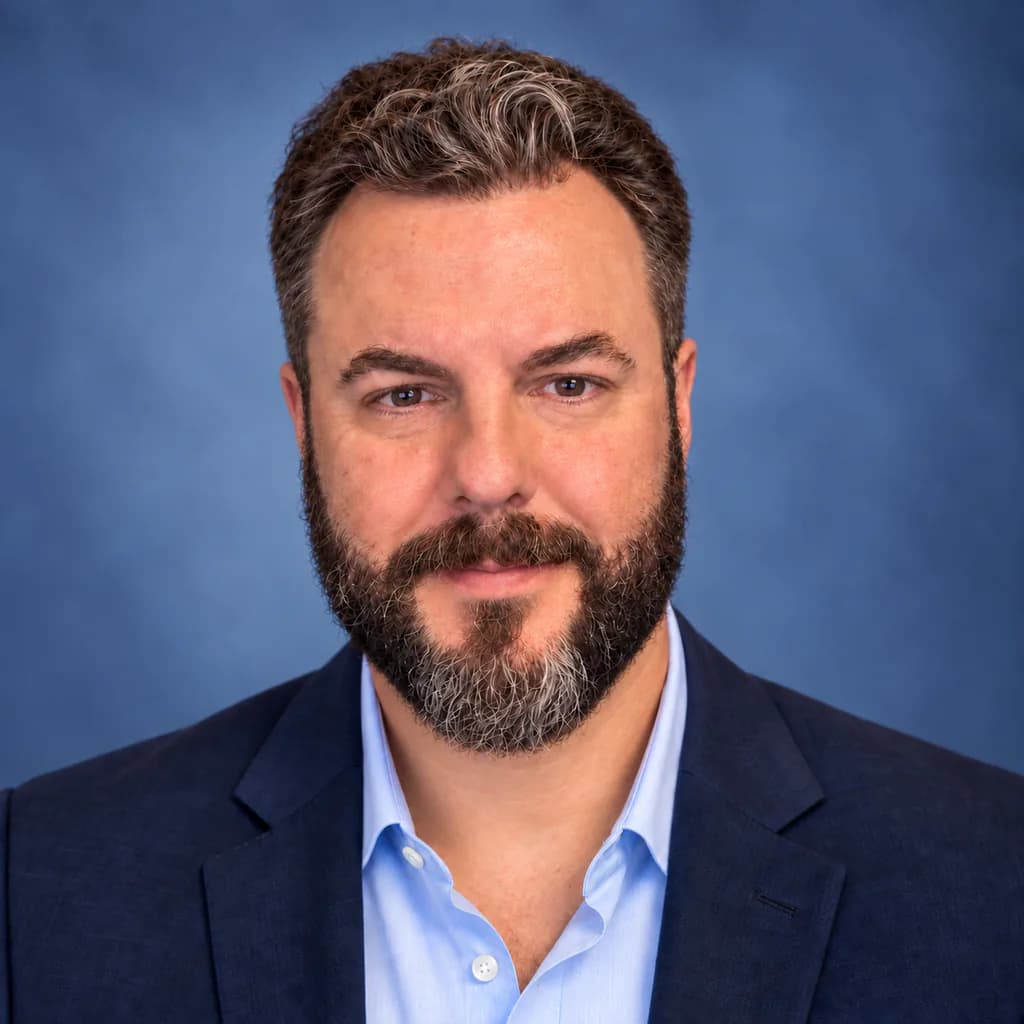
Rob Davenport
Co-Founder & CTO
Rob Davenport is Co-Founder and CTO of Rovidx Media & Consulting, Inc. He leads IT consulting, cybersecurity and software development for organizations operating in Northern Canada.
Keep reading
Related insights
AI Won’t Kill the Software Business. It Will Change What We Build.
Agentic AI is reducing the time required to build custom software. That makes it practical to solve smaller operational problems that businesses once…
Read related insight
How to Build Your Own Netflix-Style Streaming Site (100% Free Training Course!)
Have you ever wanted to launch your own video-on-demand (VOD) streaming platform, but backed away after seeing the massive price tags and technical…
Read related insight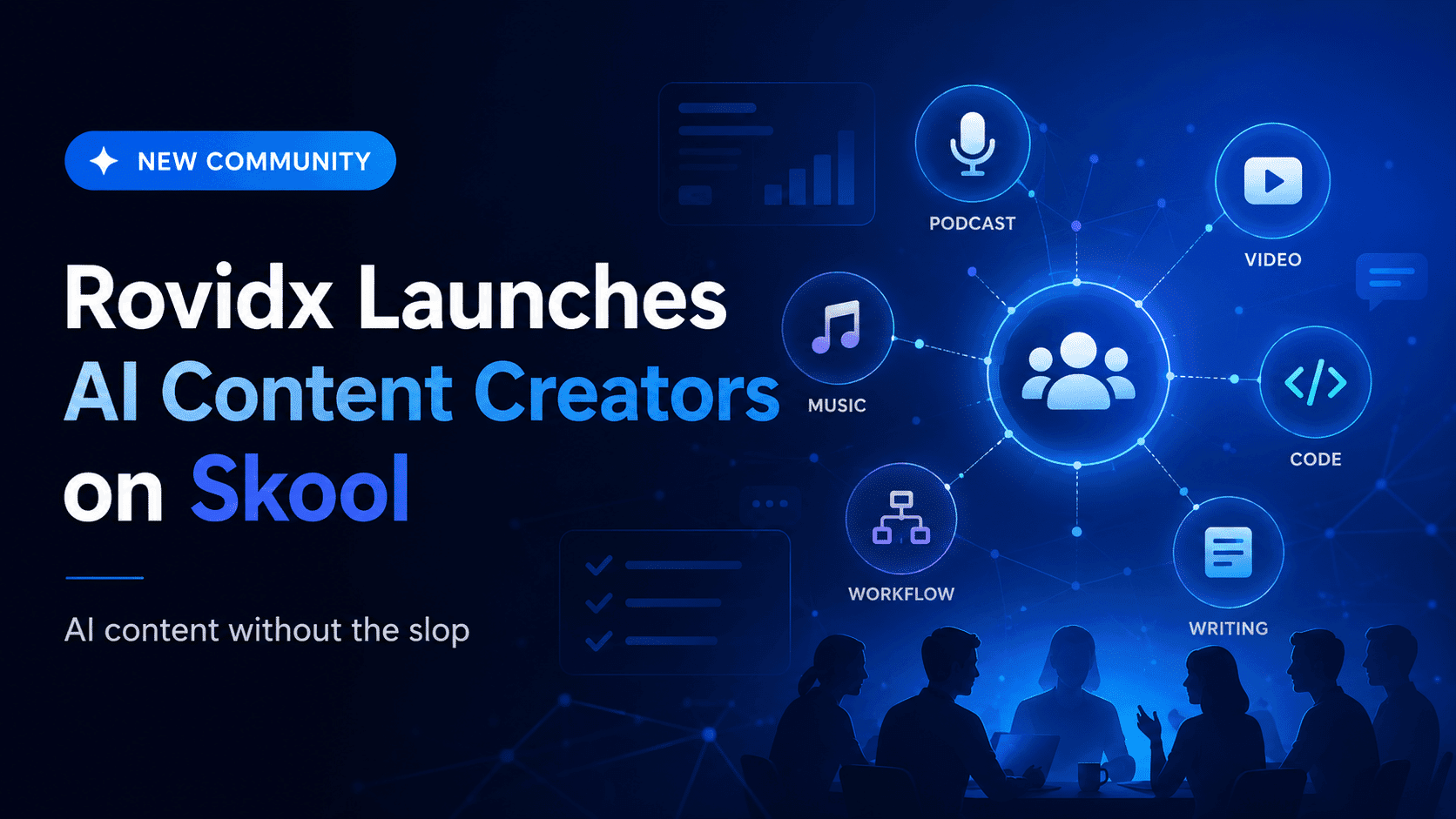
Introducing AI Content Creators: AI Content Without the Slop
Rovidx Media is launching AI Content Creators, a practical Skool community for creators, business owners, agencies, and builders learning how to use…
Read related insight